When Time Zones Collide: Patterns of Peak Activity in Cross-Border Sports Wagering Platforms
Theo Lehmann · Nov 13, 2026
When Time Zones Collide: Patterns of Peak Activity in Cross-Border Sports Wagering Platforms
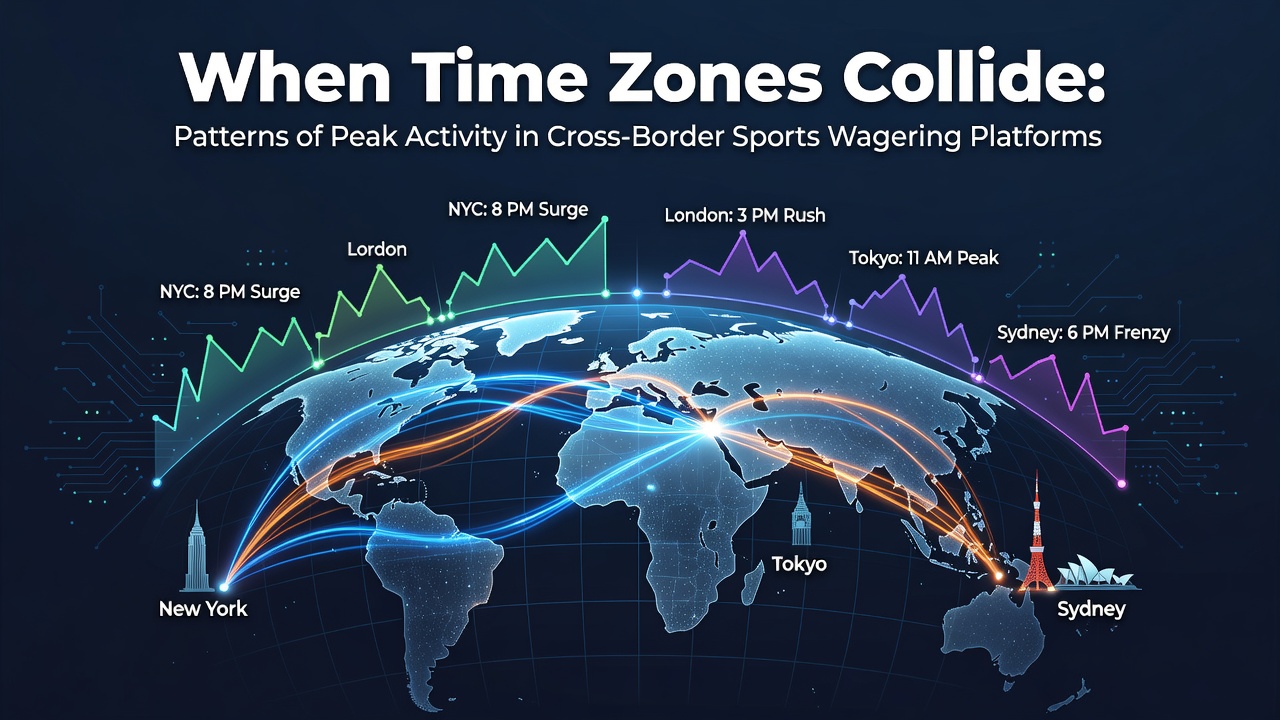
Data from multiple jurisdictions shows that cross-border sports wagering platforms experience distinct surges in user engagement when major events align across distant time zones, and these patterns have grown more pronounced as operators expand into new markets. Observers note that bettors in one region often place wagers on contests occurring in another hemisphere, which creates overlapping activity windows that platforms must accommodate through adjusted server loads and liquidity management.
Global Event Overlaps Drive Volume Spikes
European football matches scheduled in the afternoon local time frequently coincide with morning hours in North America, which leads to elevated login rates from users in the United States and Canada during those windows. Researchers tracking platform metrics have recorded similar patterns when Australian rugby league games run late into the evening in Oceania, prompting increased participation from Asian markets where users remain active well past midnight. In November 2026, several major operators reported that combined wagering volume on international soccer and basketball events rose sharply during these cross-zone overlaps, with transaction counts climbing between 35 and 48 percent above baseline periods.
Regional User Behavior and Platform Adjustments
Platforms serving multiple continents routinely monitor traffic from specific geographic clusters to predict when demand will shift. Those who have studied these systems find that bettors located in the Pacific time zone show heightened activity on European tennis tournaments that begin around 3 a.m. local time, while users in Central Europe demonstrate consistent engagement with Major League Baseball games that start in the late afternoon or early evening their time. Data indicates that operators respond by deploying additional staff during these anticipated peaks and by increasing the number of available markets for live in-play betting to capture the additional flow.
Technology Infrastructure and Liquidity Management
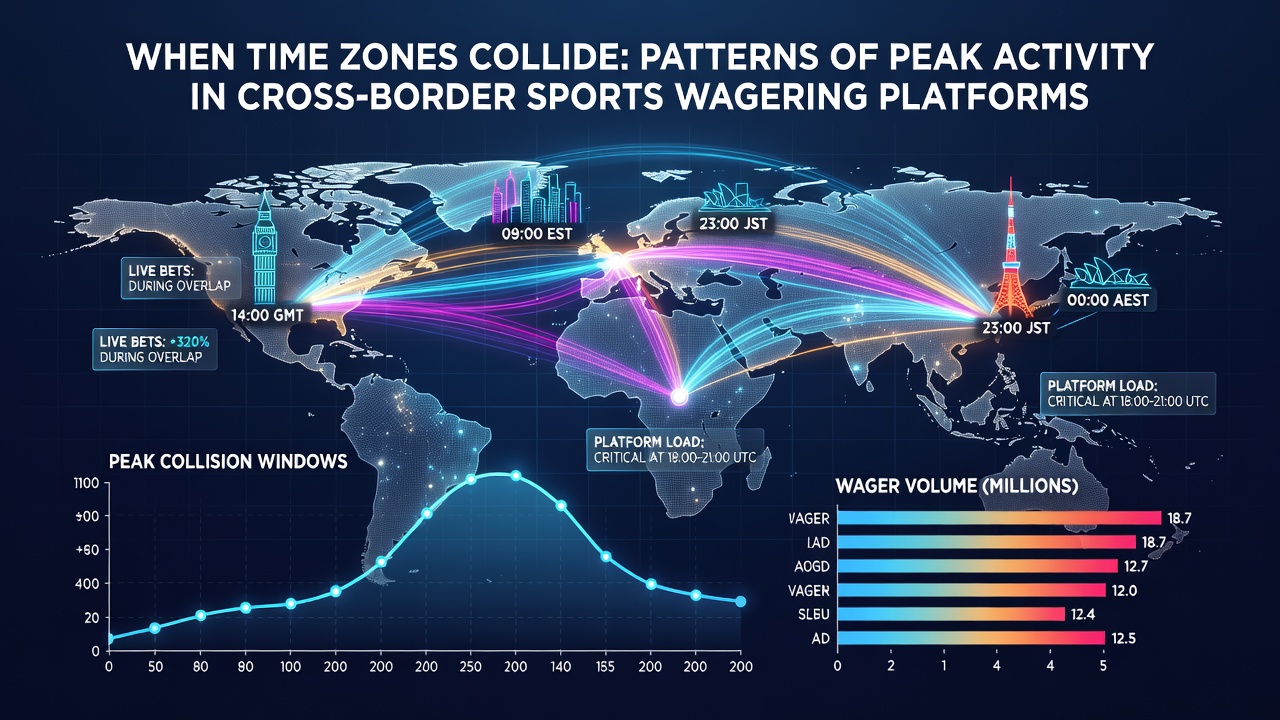
Cross-border platforms rely on distributed server networks to handle simultaneous logins from users separated by eight to twelve hours. When peak periods converge, systems must process rapid updates to odds, settle bets in real time, and maintain sufficient liquidity across multiple currencies. Figures from industry reports reveal that companies operating in this space allocate between 12 and 18 percent of their technology budgets specifically to capacity planning for time-zone-driven surges. One study of multi-jurisdictional operators found that those with predictive algorithms reduced latency complaints by nearly 30 percent compared with platforms using static scheduling.
Regulatory Variations Across Jurisdictions
Rules governing cross-border wagering differ significantly between regions, which affects how platforms structure their offerings during peak windows. The American Gaming Association has documented that states with legalized mobile sports betting require strict geofencing and age verification even when users access events occurring in other time zones. Meanwhile, regulators in Australia and parts of Canada maintain separate licensing frameworks that permit operators to accept wagers from international users provided local taxes and reporting requirements are met. These layered requirements mean that platforms must maintain compliance teams capable of handling simultaneous oversight from multiple authorities during high-volume periods.
Payment Processing and Settlement Patterns
Transaction data shows that deposit and withdrawal activity on cross-border platforms also follows time-zone patterns. Users in Asia-Pacific regions tend to complete funding transactions in the hours immediately before European sports events begin, whereas North American bettors often initiate withdrawals during their evening hours after settling bets on Asian or Australian contests. According to records maintained by the Alcohol and Gaming Commission of Ontario, average settlement times remain stable across these windows when platforms maintain redundant payment gateways, though brief delays have occurred during unusually large overlapping events.
Future Developments in Cross-Zone Wagering
Industry analysts expect continued growth in cross-border activity as more jurisdictions legalize sports wagering and as operators refine their ability to serve users across time zones. Research institutions tracking these trends have identified potential opportunities in automated risk management tools that adjust limits and promotional offers based on real-time geographic traffic data. Platforms that integrate such tools report improved retention during shoulder periods that fall between traditional peak windows, which helps smooth overall revenue curves throughout the day.
Conclusion
Patterns of peak activity in cross-border sports wagering platforms continue to reflect the fundamental mismatch between global event schedules and local user time zones. Data collected across multiple operators and regulatory environments demonstrates that these overlaps create measurable increases in volume, require targeted infrastructure investments, and necessitate careful coordination with diverse licensing authorities. As markets expand and technology evolves, the ability to anticipate and manage these collisions remains a central operational priority for platforms serving international bettors.