Biometric Verification Trends Shaping Security in Worldwide Online Betting Accounts
Theo Lehmann · Oct 2, 2026
Biometric Verification Trends Shaping Security in Worldwide Online Betting Accounts
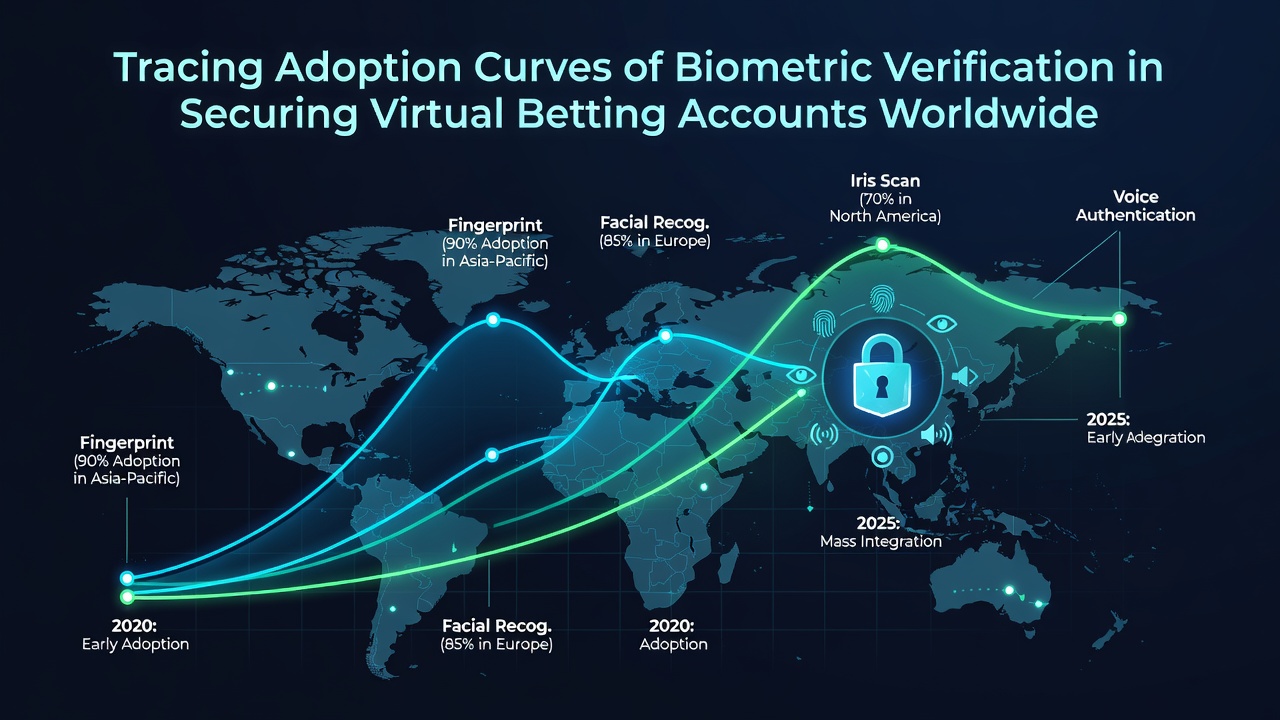
Biometric verification methods have moved from experimental pilots to standard practice in securing virtual betting accounts, with adoption curves reflecting distinct regional timelines and regulatory pressures. Fingerprint scanning led early implementations around 2018 in select markets, while facial recognition gained traction after 2021 as smartphone cameras improved and anti-spoofing algorithms matured. Data released in October 2026 shows continued acceleration in Asia-Pacific jurisdictions, where mobile-first betting dominates, compared to slower but steady integration in North American platforms that prioritize multi-factor combinations.
Early Regional Patterns and Growth Metrics
European operators began incorporating fingerprint and voice biometrics in 2019 following updates to payment service directives that emphasized stronger customer authentication. Adoption rates climbed from under 15 percent of licensed platforms in 2020 to nearly 45 percent by mid-2024, according to figures compiled by the European Gaming and Betting Association. Meanwhile, Australian regulators tied biometric requirements to the Interactive Gambling Act amendments, producing a steeper curve where over 60 percent of licensed operators reported active facial recognition systems by late 2025. These timelines illustrate how policy mandates compress adoption periods compared to market-driven rollouts elsewhere.
North American curves show more gradual slopes because state-level rules vary widely. New Jersey's Division of Gaming Enforcement published compliance data indicating that 38 percent of online sportsbooks had deployed at least one biometric layer by September 2026, with fingerprint remaining the most common method due to existing device hardware. In contrast, Canadian provinces that legalized single-event betting after 2021 recorded faster uptake once federal privacy frameworks clarified data handling for cross-border operators.
Technology Shifts Driving the Curves
Improvements in liveness detection and template encryption account for much of the recent acceleration. Early facial systems suffered from high false rejection rates during outdoor lighting changes, yet algorithm updates released in 2023 reduced those errors by roughly 70 percent across major vendors. Iris scanning, once limited to specialized kiosks, now appears in select high-value account tiers in South Korea and Singapore where operators pair it with behavioral analytics. Researchers tracking these deployments note that hybrid models combining biometrics with device fingerprinting produce the flattest risk curves for account takeover attempts.
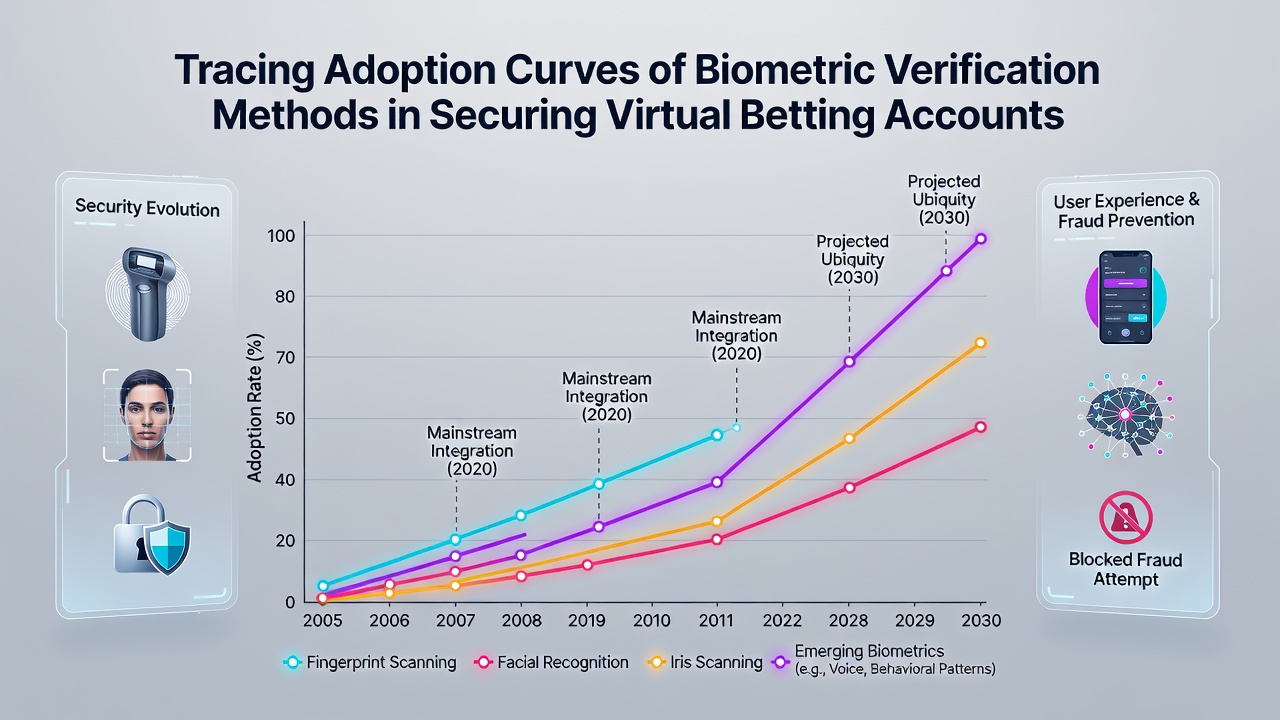
Cost reductions have also flattened entry barriers. Hardware subsidies from device manufacturers allowed smaller operators in Latin America to introduce fingerprint login by 2024, lifting regional penetration from single digits to 22 percent within eighteen months. Voice biometrics expanded more slowly because background noise in mobile environments required additional signal processing layers, yet operators in Brazil reported successful deployment after integrating noise-cancellation models trained on local accents.
Regulatory and Privacy Influences
Privacy statutes continue to shape both the speed and form of adoption. Jurisdictions requiring explicit consent and on-device processing see higher retention of fingerprint methods because templates never leave the handset. Regions allowing centralized storage witness greater facial recognition growth once operators demonstrate compliance through regular audits. October 2026 compliance reports from multiple Asian regulators highlighted that platforms using on-device matching achieved faster approval times for new account features than those relying on cloud templates.
One study from a Singapore-based research institute examined 12 operators across four continents and found that platforms introducing biometric options before regulatory deadlines experienced 35 percent fewer verification-related support tickets than those implementing after mandates took effect. This pattern suggests operational efficiency gains reinforce the upward portion of adoption curves once initial integration costs are absorbed.
Current Global Snapshot and October 2026 Data
Worldwide, biometric coverage in virtual betting accounts reached approximately 52 percent of active user sessions by October 2026, with fingerprint still accounting for the largest share at 29 percent, followed by facial recognition at 18 percent. Emerging markets in Africa and the Middle East show the steepest recent slopes as new licensing rounds include biometric standards from the outset. Industry observers tracking these figures emphasize that continued hardware standardization on mid-range smartphones will likely sustain the upward trajectory through 2028, particularly where regulators link biometric use to responsible gambling tools such as session limits and deposit caps.
Conclusion
Adoption curves for biometric verification in virtual betting accounts reflect the interplay of regulatory timing, device capabilities, and operator scale. Regions that aligned mandates with existing mobile infrastructure achieved steeper and more sustained growth, while fragmented markets produced shallower but persistent increases. Data through October 2026 indicates the global average continues to rise, driven by incremental technical improvements and expanding legal frameworks rather than any single breakthrough. Operators and regulators alike now treat biometric layers as baseline infrastructure instead of optional enhancements, setting the stage for further integration with behavioral and location signals in coming years.