Algorithmic Frameworks Guiding Real-Time Choices Across Multiplayer Digital Blackjack Platforms
Mia Washington · Oct 30, 2026

Algorithmic Frameworks Guiding Real-Time Choices Across Multiplayer Digital Blackjack Platforms
Server-side systems in digital blackjack environments process thousands of simultaneous player actions each second, relying on certified random number generators and state synchronization protocols to maintain consistent game states across distributed networks. These frameworks coordinate card distribution, bet resolution, and outcome calculation while handling variable connection speeds from different geographic regions.
Core Components of Server Architecture
Central processing units within these platforms execute shuffling algorithms that simulate physical decks through cryptographic methods, and data shows that many operators update their random number generator certifications annually through independent testing labs. Multiplayer rooms require additional layers that track individual player positions at virtual tables, ensuring each participant receives unique card sequences without overlap or duplication.
Latency compensation modules adjust for network delays by buffering decision inputs within defined time windows, and regulatory records from the Nevada Gaming Control Board indicate that approved systems must complete all state updates within 200 milliseconds for standard table games. This setup allows servers to queue actions from players in different time zones while preserving the sequential nature of blackjack rounds.
Real-Time Decision Synchronization Patterns
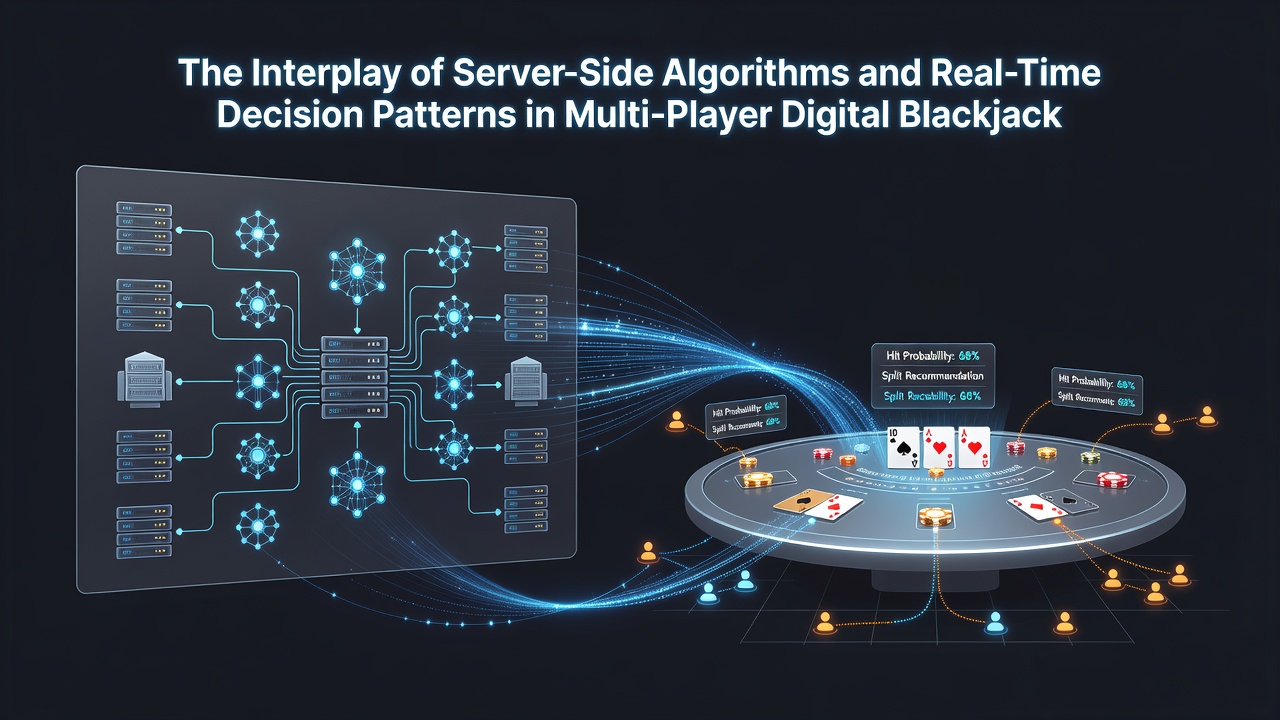
Decision trees embedded in server logic evaluate incoming bets and hit/stand requests against predefined rulesets, then broadcast updated table states to all connected clients almost instantly. Observers note that these patterns often incorporate priority queuing based on connection stability metrics, which helps prevent desynchronization when one player experiences packet loss.
Studies from the Canadian Centre for Gaming Research have examined how these synchronization mechanisms influence overall session continuity, revealing that platforms using predictive prefetching of card outcomes can reduce perceived lag by up to 15 percent during peak hours. In October 2026, several major operators reported expanded use of edge computing nodes to further shorten response times in high-volume multiplayer blackjack rooms.
Data Collection and Pattern Analysis
Backend databases capture detailed logs of every decision point, including time taken per action and correlation with previous rounds, which allows operators to identify common behavioral sequences across thousands of sessions. These records feed into machine learning models that detect unusual patterns without altering core game mechanics.
Figures from iGaming Ontario show that multiplayer blackjack tables generate approximately 40 percent more decision data points per hour than single-player variants, primarily due to simultaneous actions requiring coordinated resolution. Servers process this volume through parallel processing clusters that separate game logic from analytics pipelines to avoid performance bottlenecks.
Security and Compliance Integration
Encryption protocols wrap each data packet exchanged between servers and clients, while audit trails record algorithm outputs for periodic regulatory reviews. The Australian Communications and Media Authority has documented cases where enhanced logging requirements led operators to implement redundant verification layers that cross-check random sequences against independent seeds.
Those who manage these systems often deploy anomaly detection routines that flag deviations exceeding three standard deviations from expected distribution curves, and this approach helps maintain integrity across large player bases. Integration with payment processors adds another dimension, since servers must reconcile bet amounts with decision outcomes in real time before authorizing payouts.
Conclusion
Server-side algorithms continue to evolve in response to increasing player volumes and stricter compliance standards, with real-time decision patterns forming the backbone of stable multiplayer blackjack experiences. Data from multiple jurisdictions illustrates ongoing refinements in synchronization speed and pattern monitoring, and industry reports suggest further adoption of distributed ledger elements for enhanced auditability in coming years.